Fёdor Drobov
Lead Product Designer with 15 years of experience. I create UX strategies and design systems, build products from scratch, bring value to businesses, and deliver measurable results.
Tectone
- Year
- 2025
- Tags
- B2B, Fintech, LegalTech, SaaS, Web
- Role
- Lead Product Designer
- Scope
- Product Strategy, UI/UX Design, Branding, Prototyping
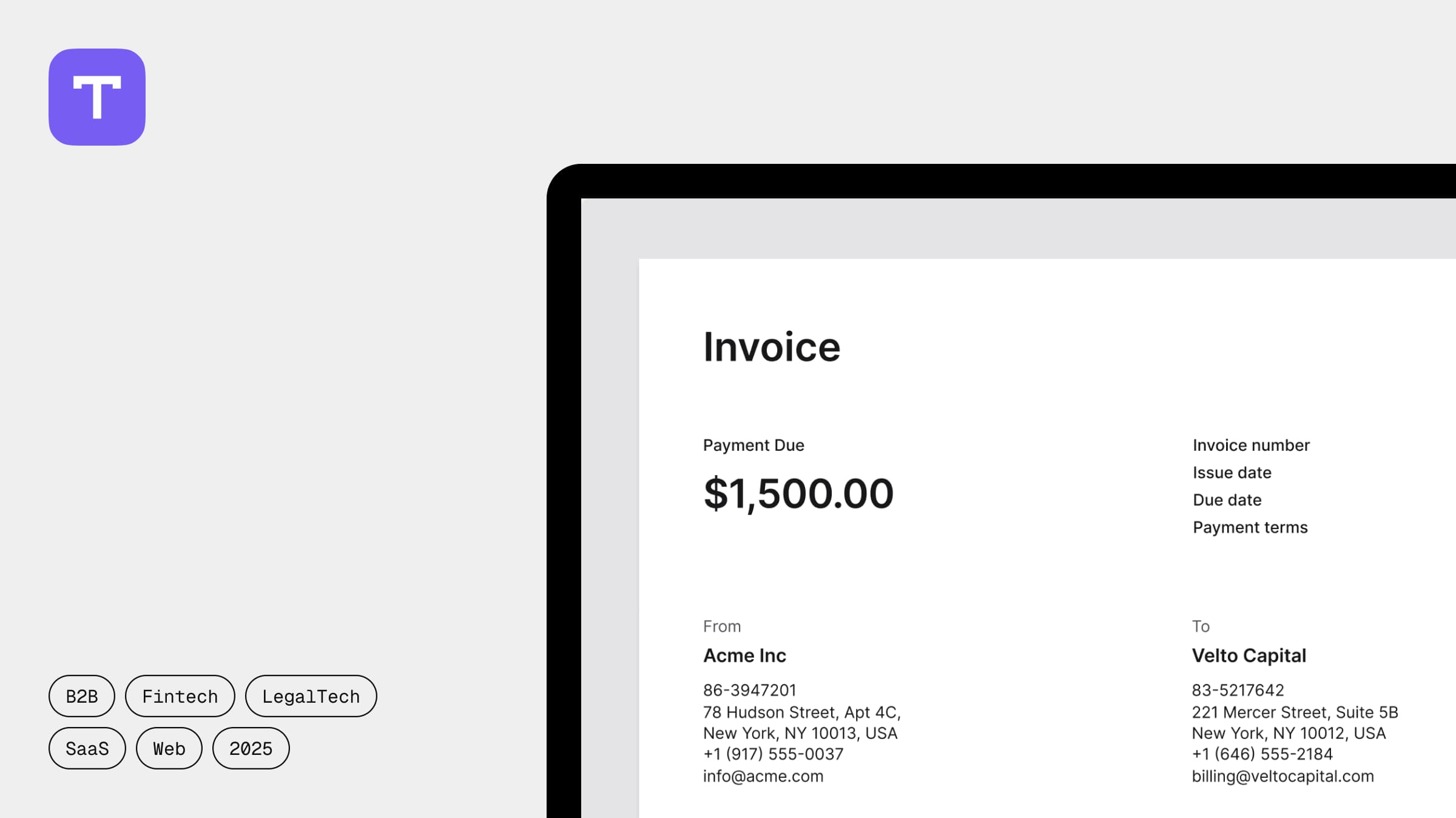
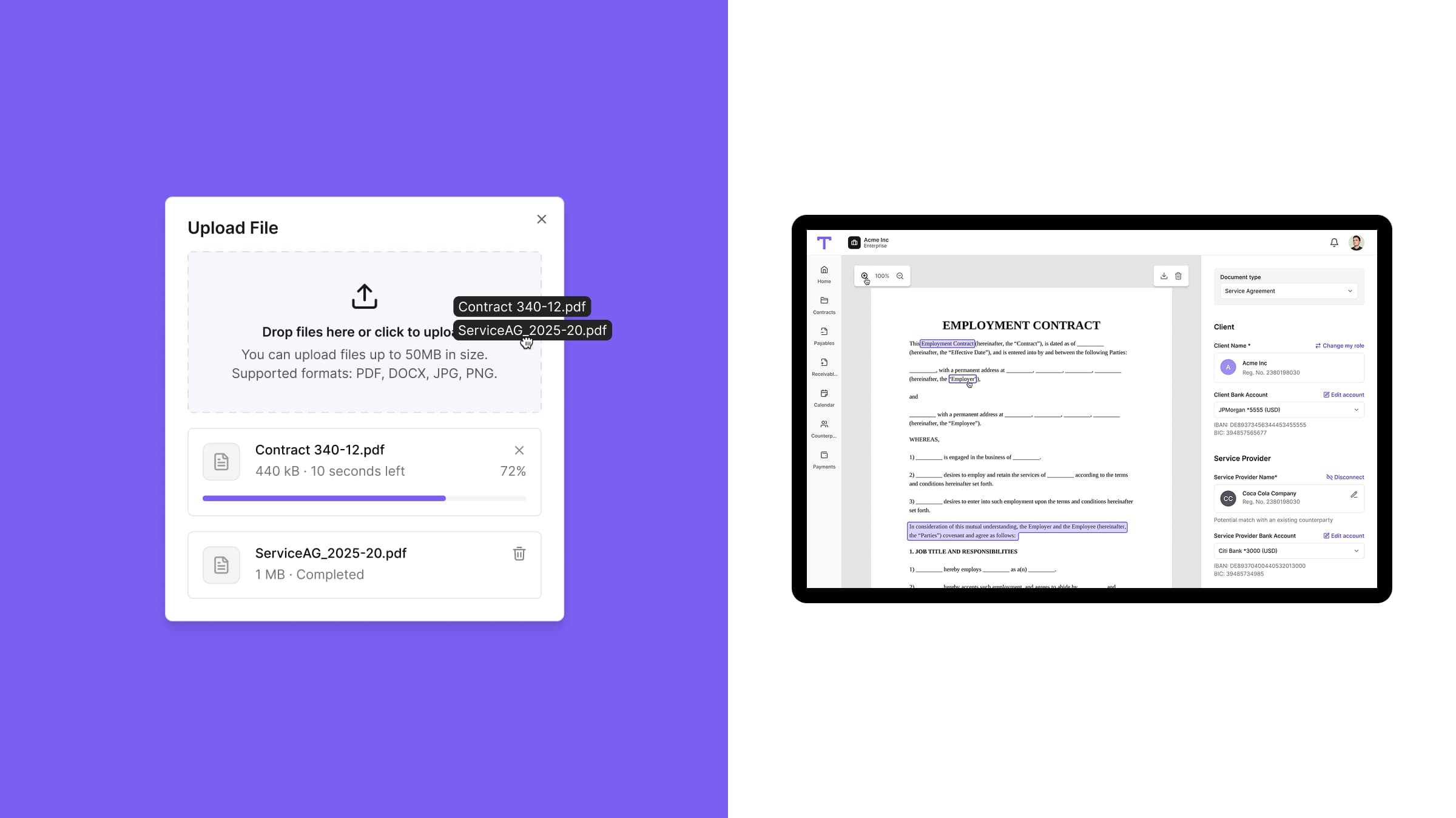
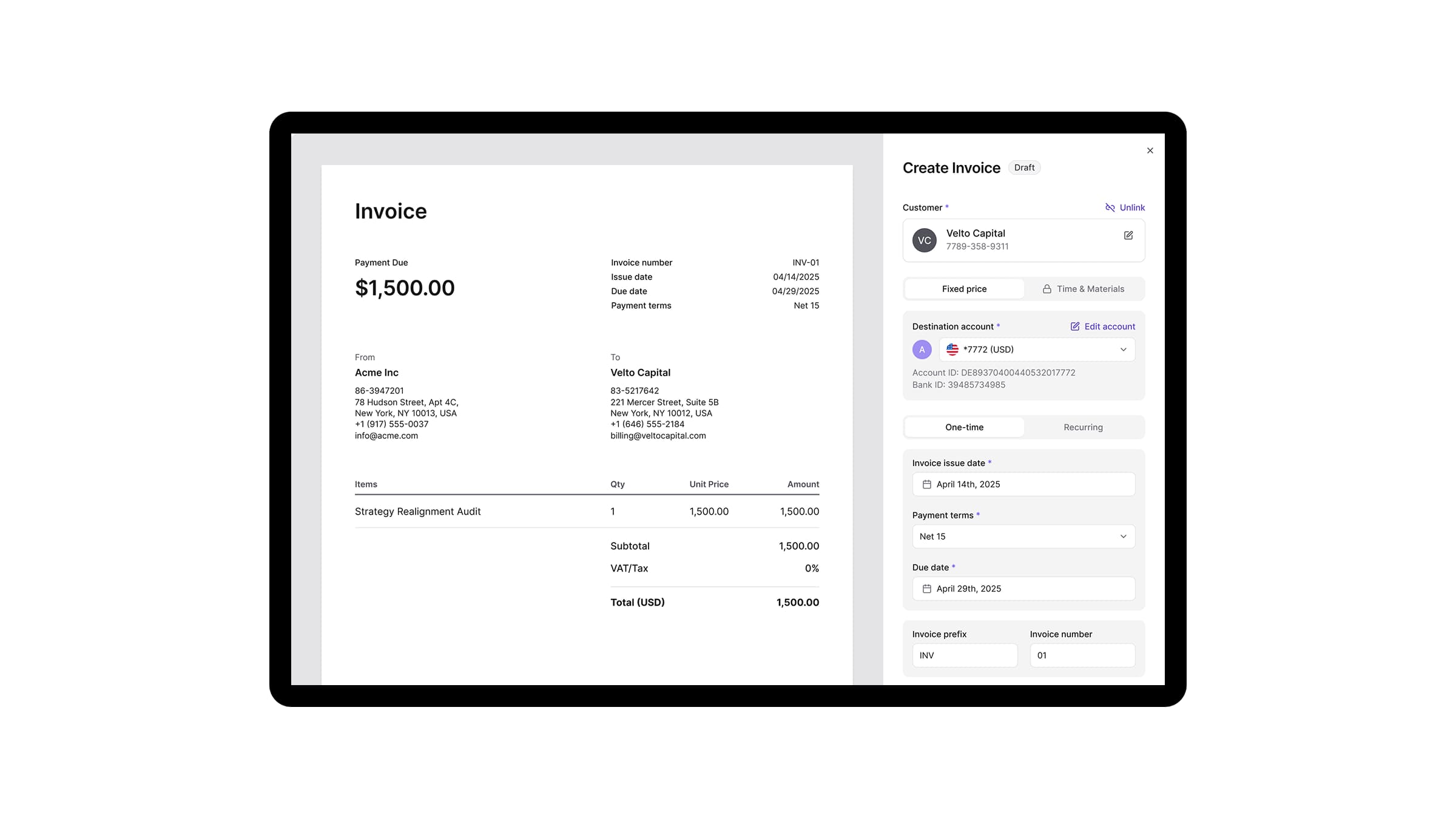
A document workflow automation service. A B2B startup for the US market, unifying legal, financial, and operational processes into a single end-to-end solution. I was responsible for the product architecture, key user flows, and establishing the design processes.
Payrow
- Years
- 2022—2024
- Tags
- B2B, Fintech, Neobank, Web
- Role
- Lead Product Designer
- Scope
- Product Strategy, UI/UX Design, Branding, Design system
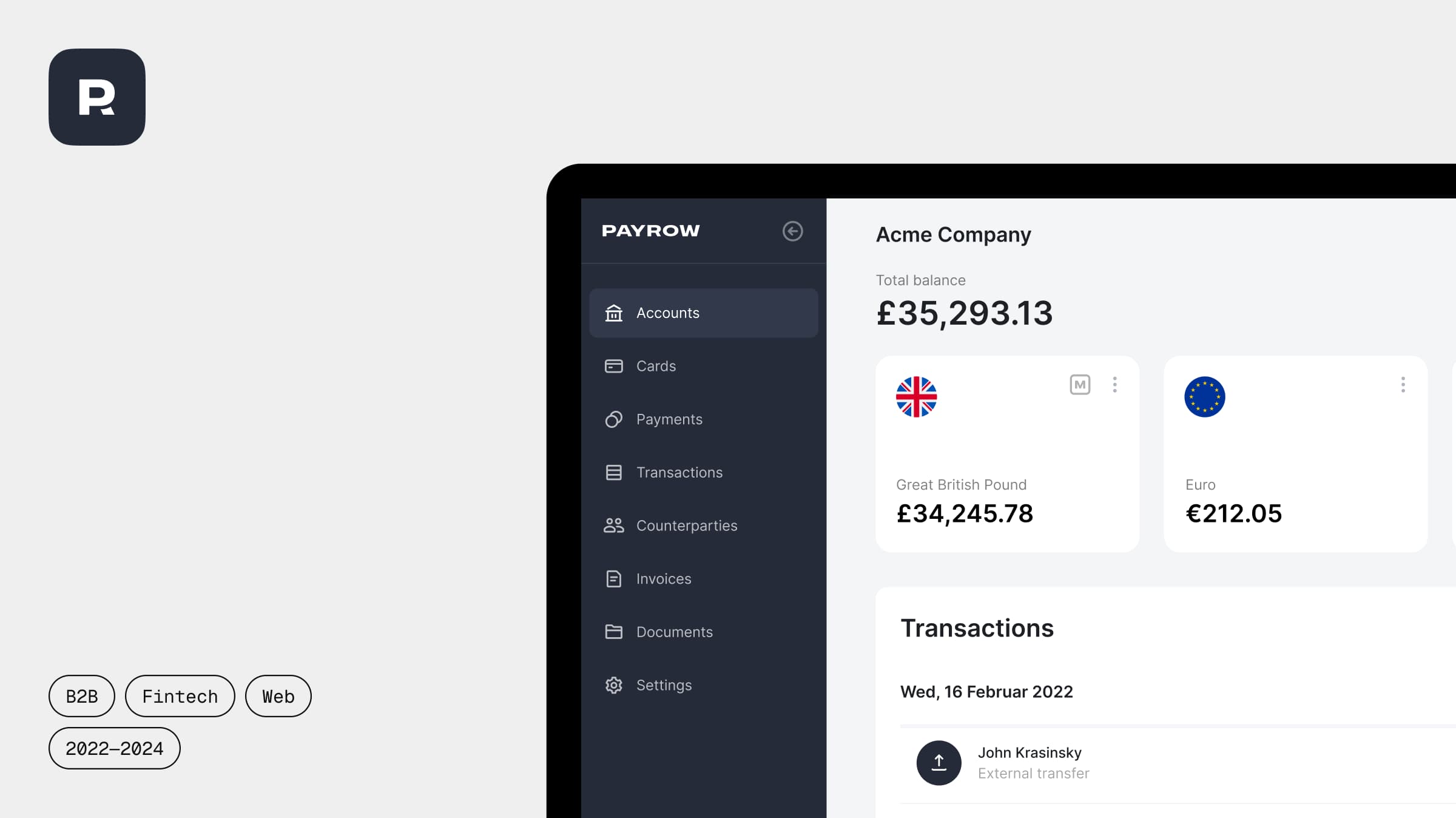
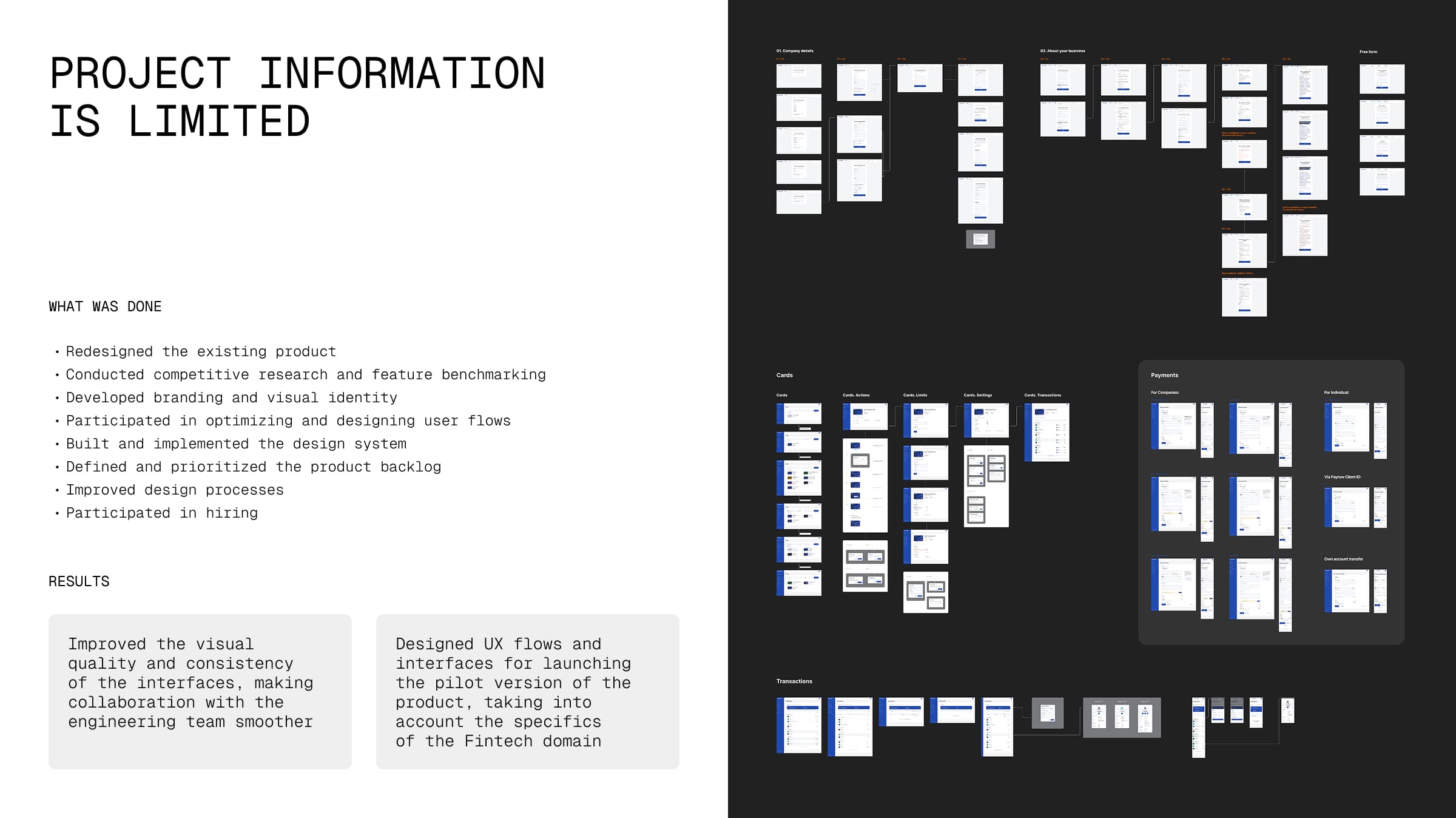
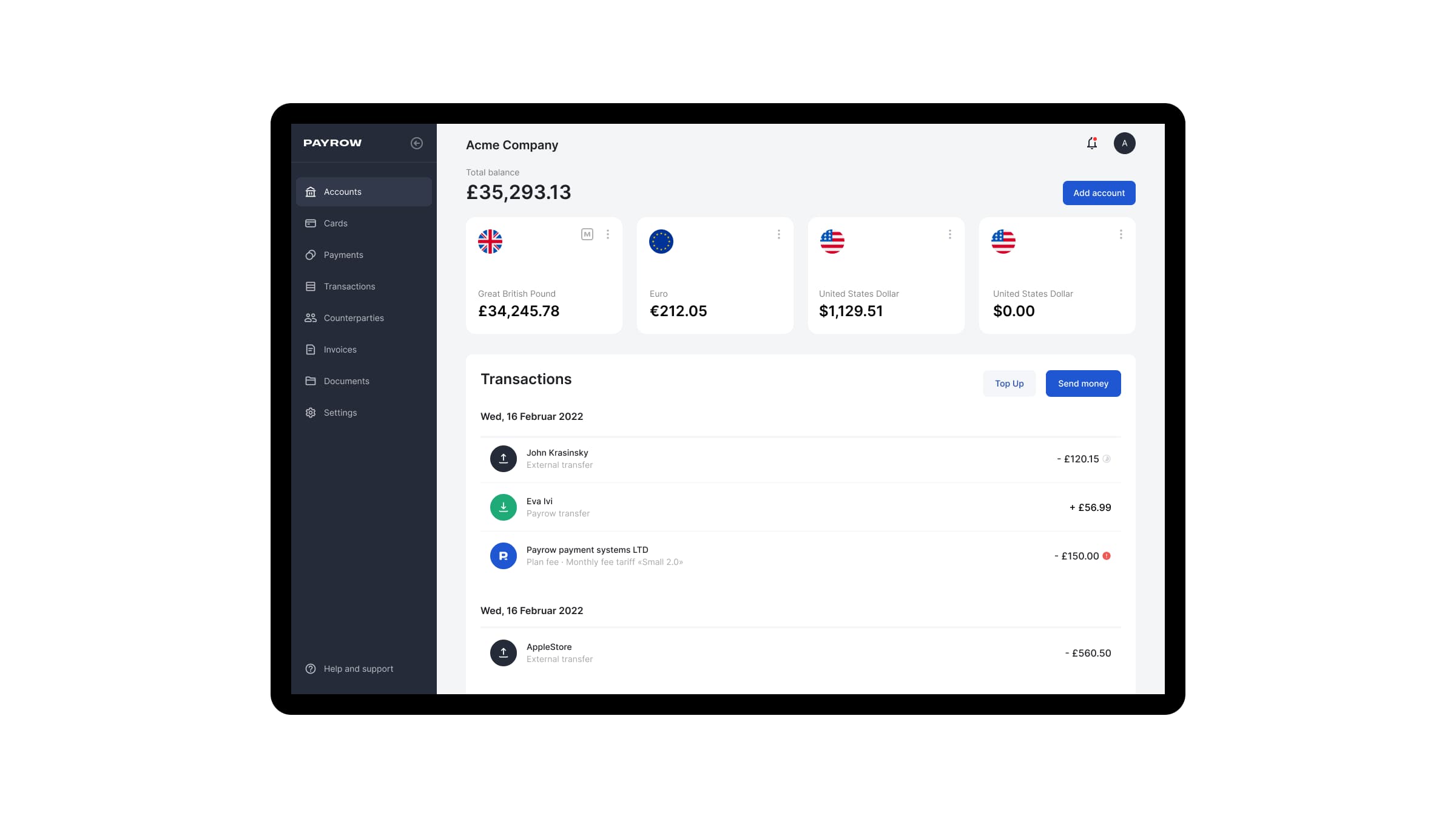
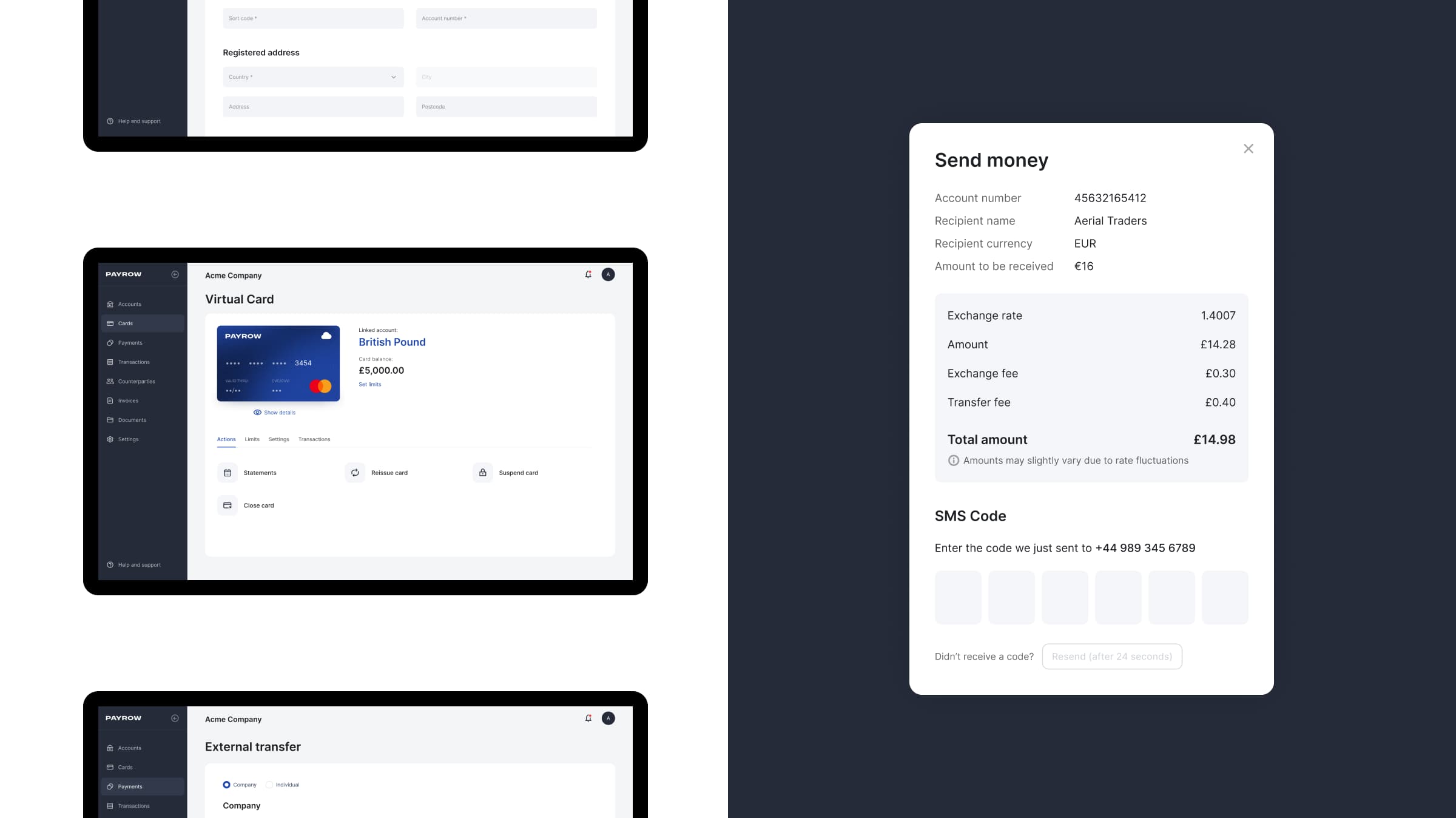
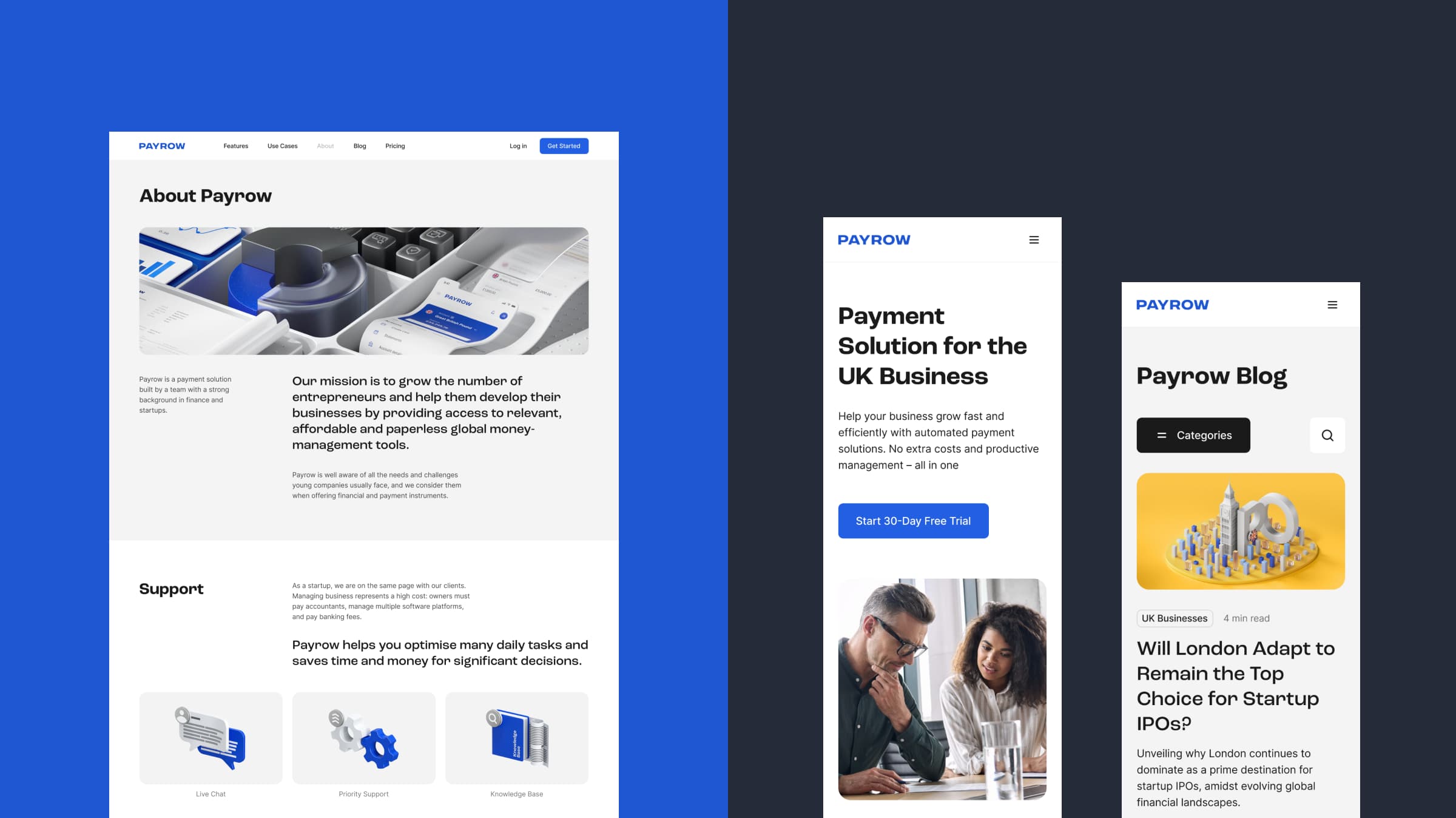
A European B2B startup for small and medium-sized businesses, targeting both the US and EU markets: a neobank platform for automating payments, invoicing, and financial operations. The product was being prepared for launch, and the team needed to redesign the existing solution and establish proper design processes.
Payrow Design System
- Years
- 2022—2024
- Scope
- Design system development
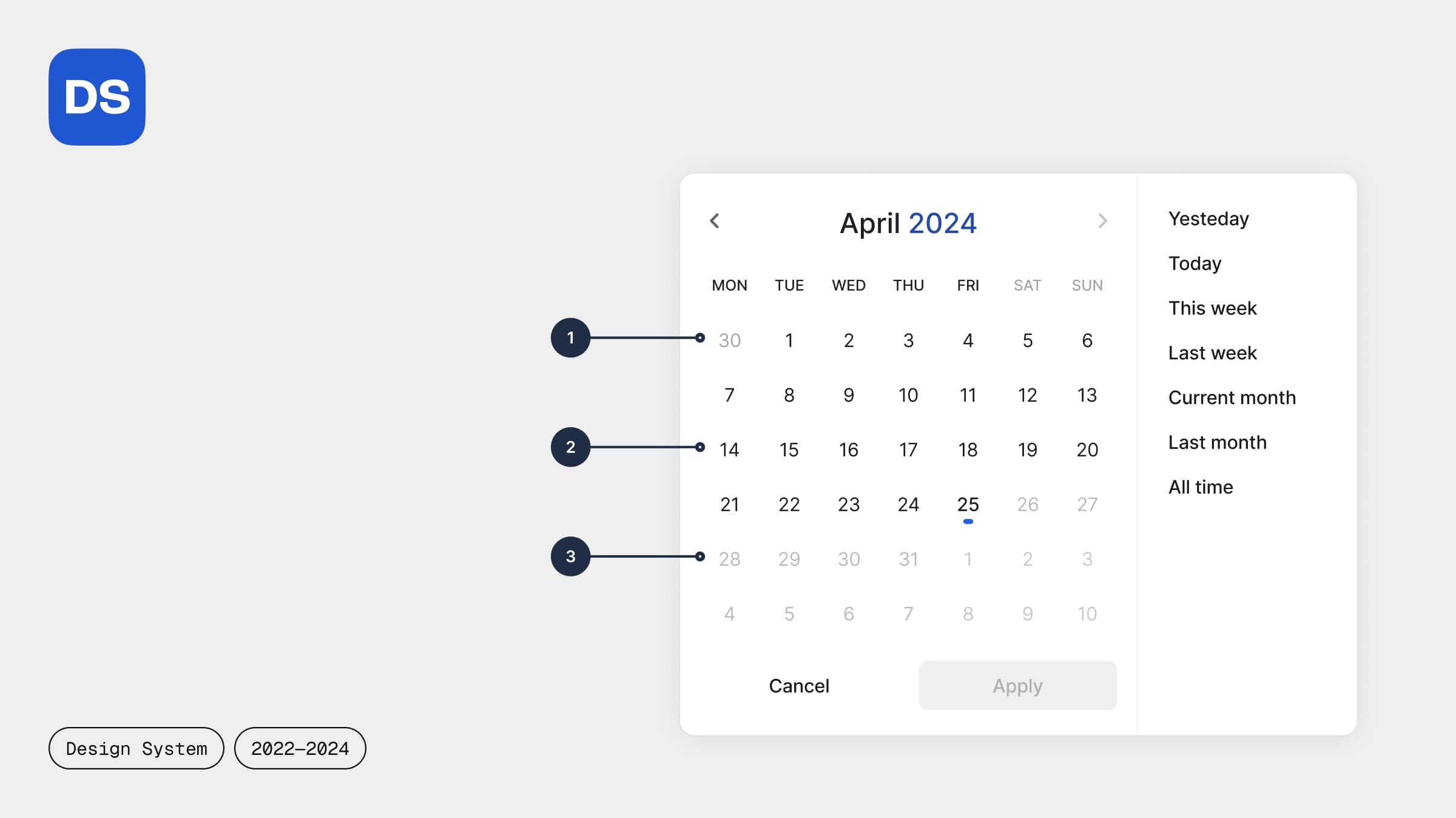
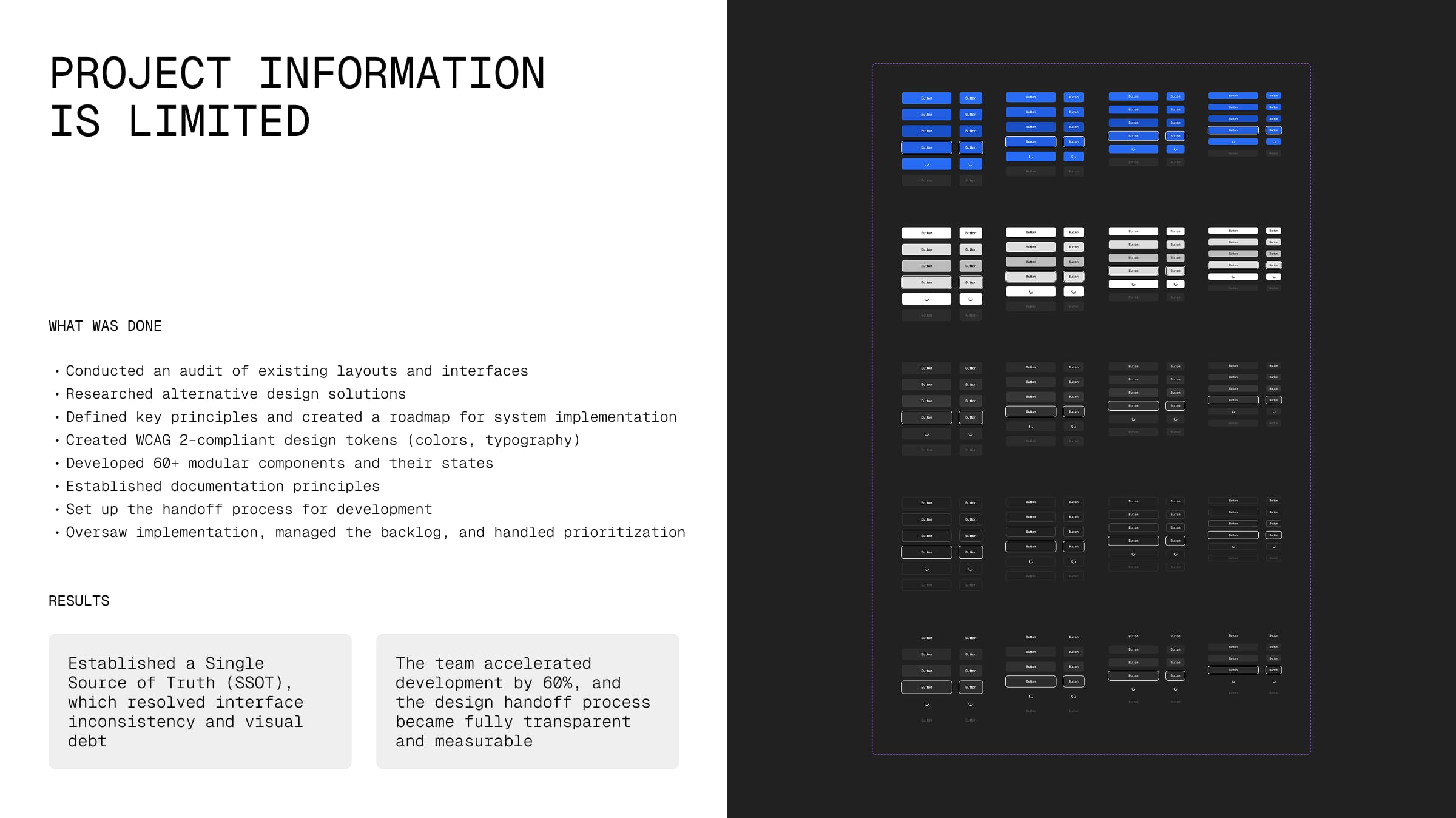
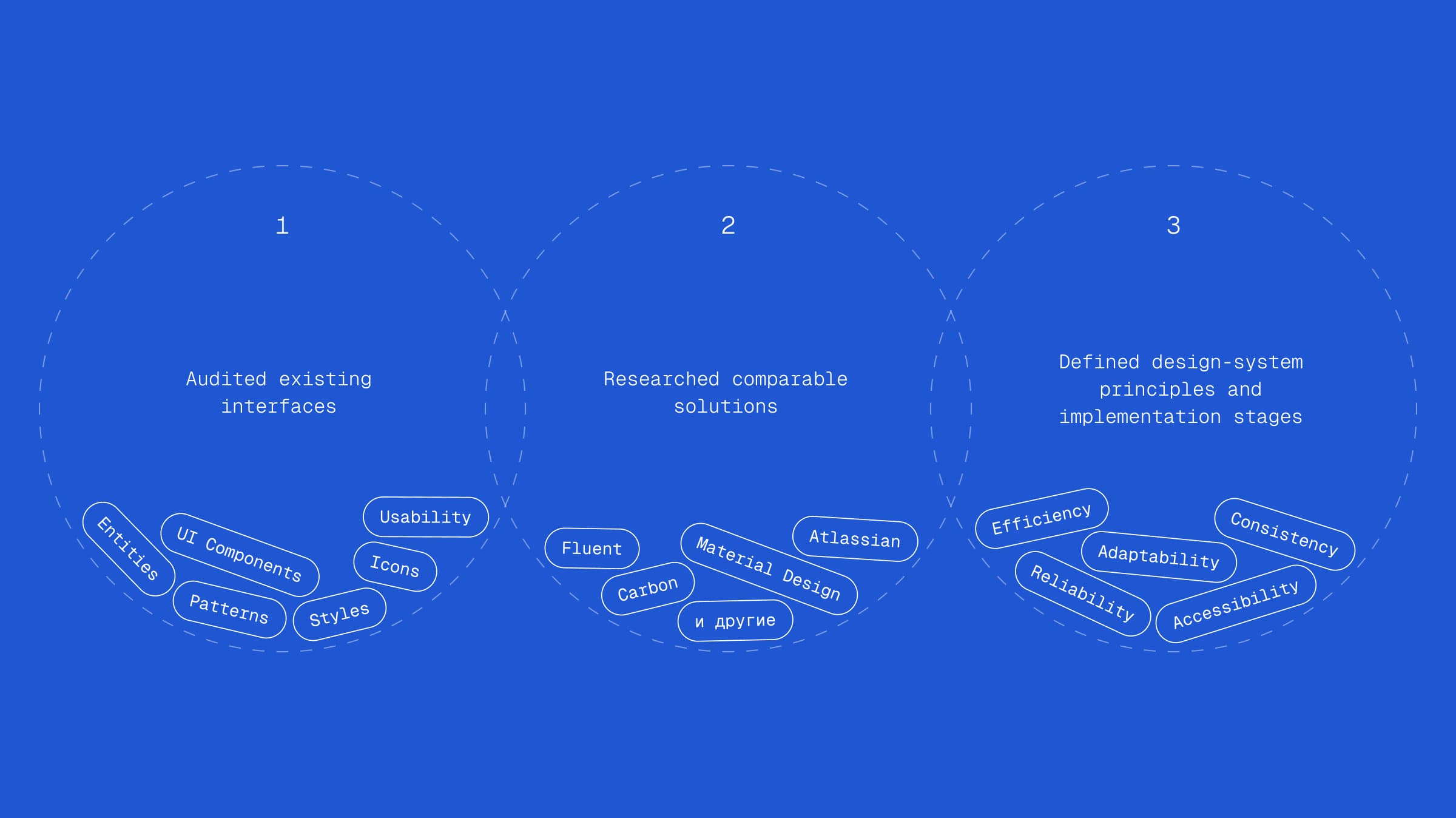
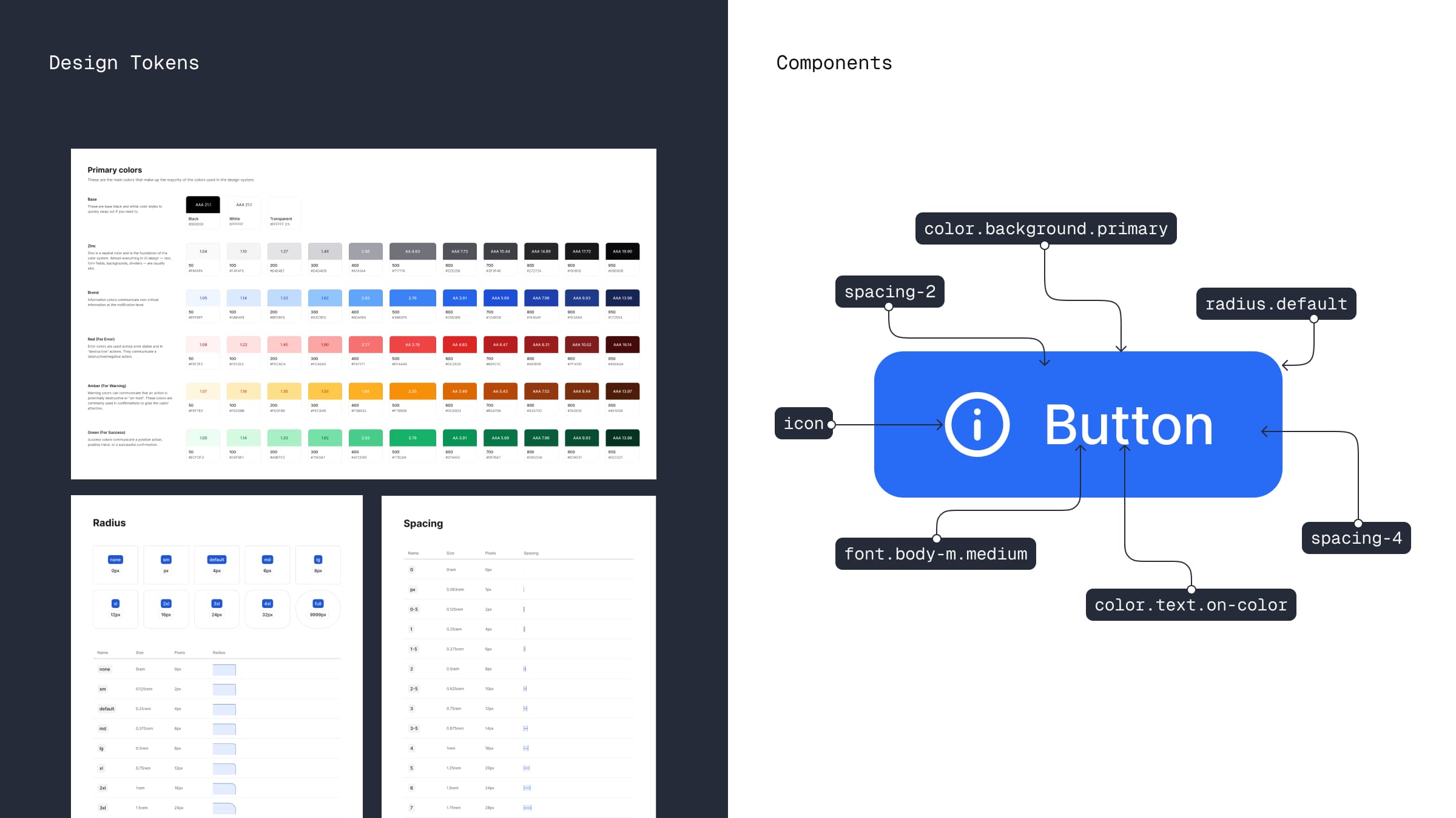
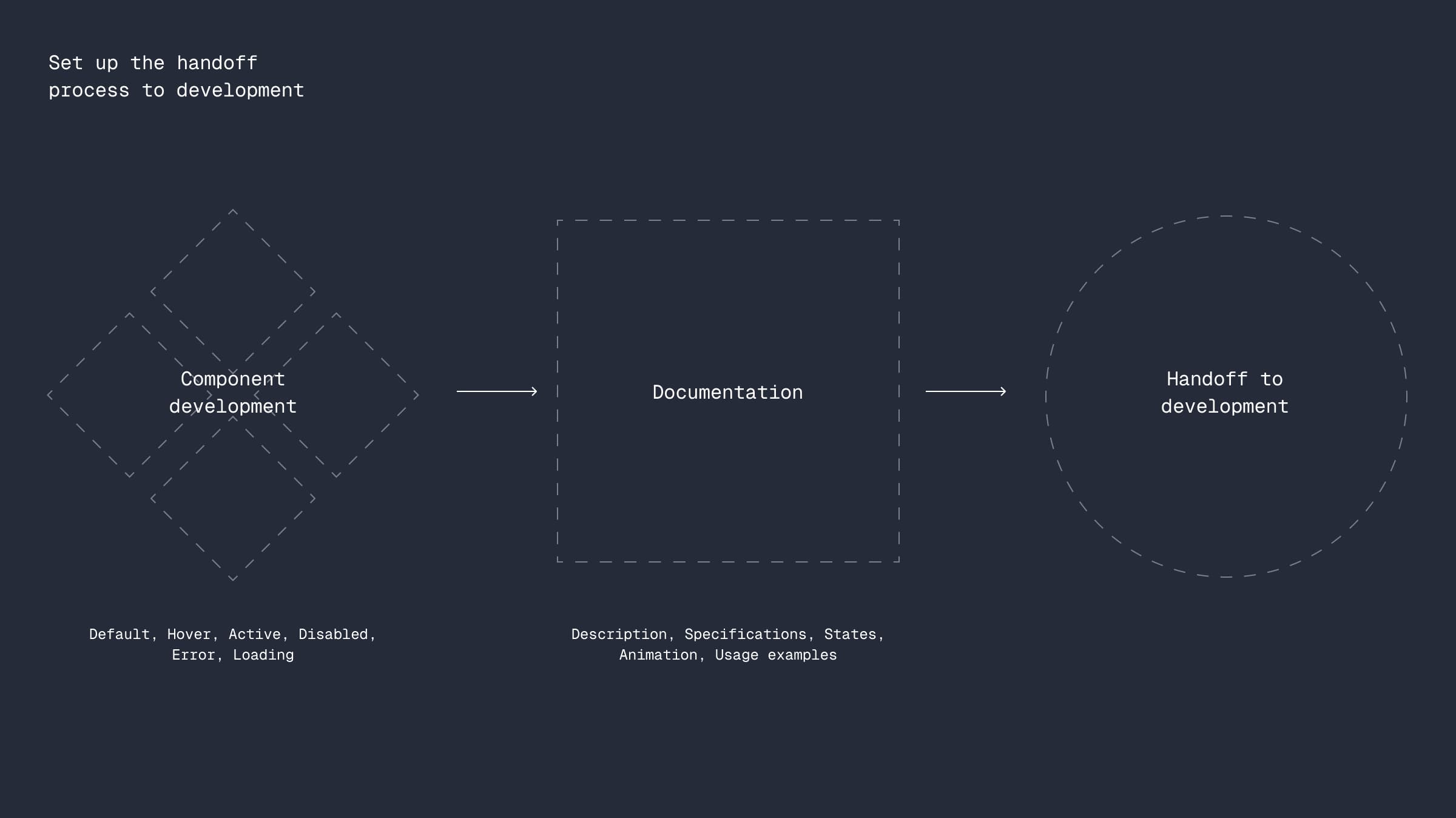
When I joined the Payrow project, it became clear that structure was needed not only in the layouts but also in the workflows. Without unified standards, the product would quickly lose consistency and become difficult to scale. I created a design system as a foundation for growth and to speed up the team’s work.
SberBank
- Years
- 2020—2022
- Tags
- B2C, Fintech, iOS, Android, Web
- Role
- Product Designer
- Scope
- UI/UX Design, Prototyping
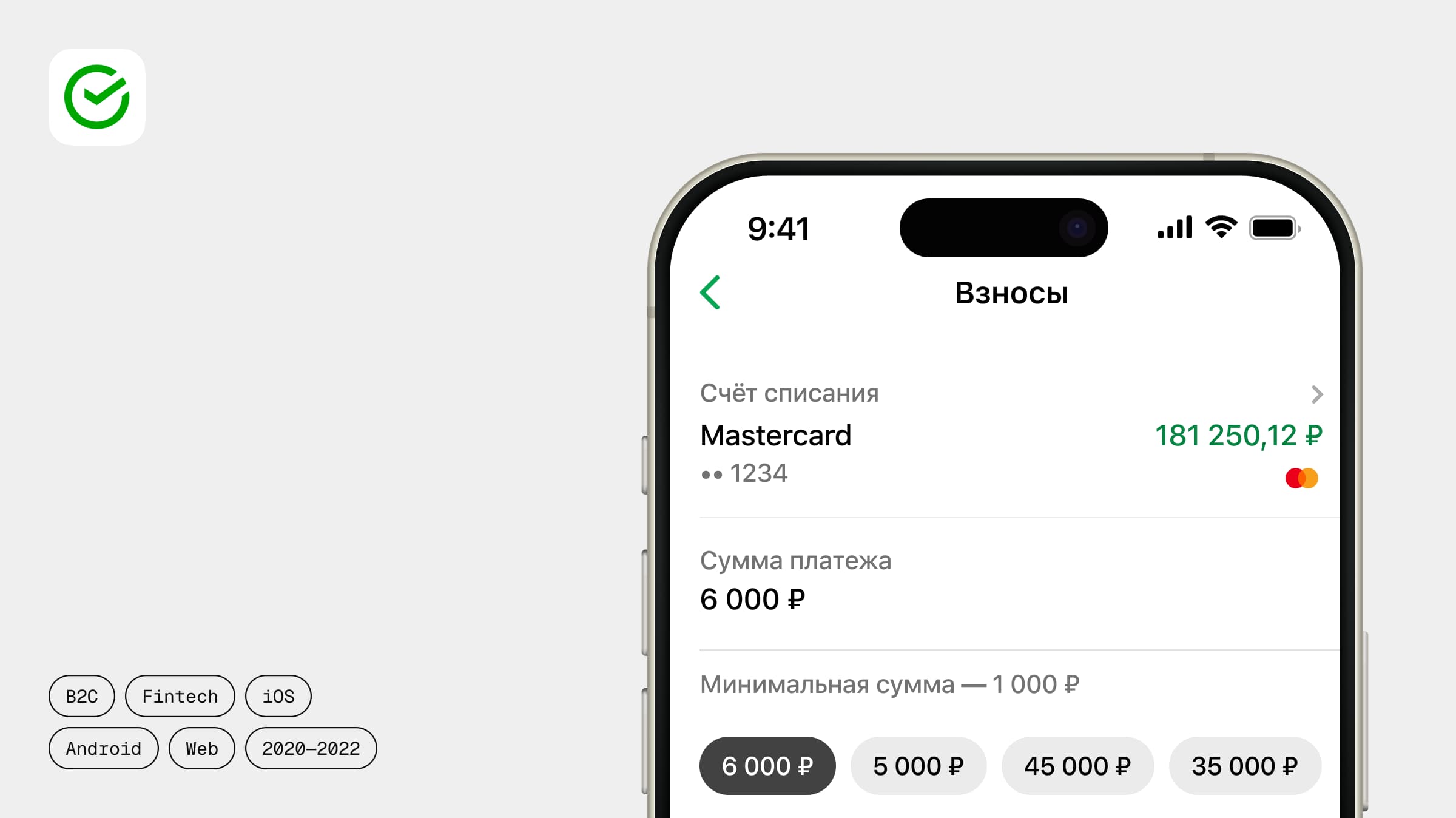
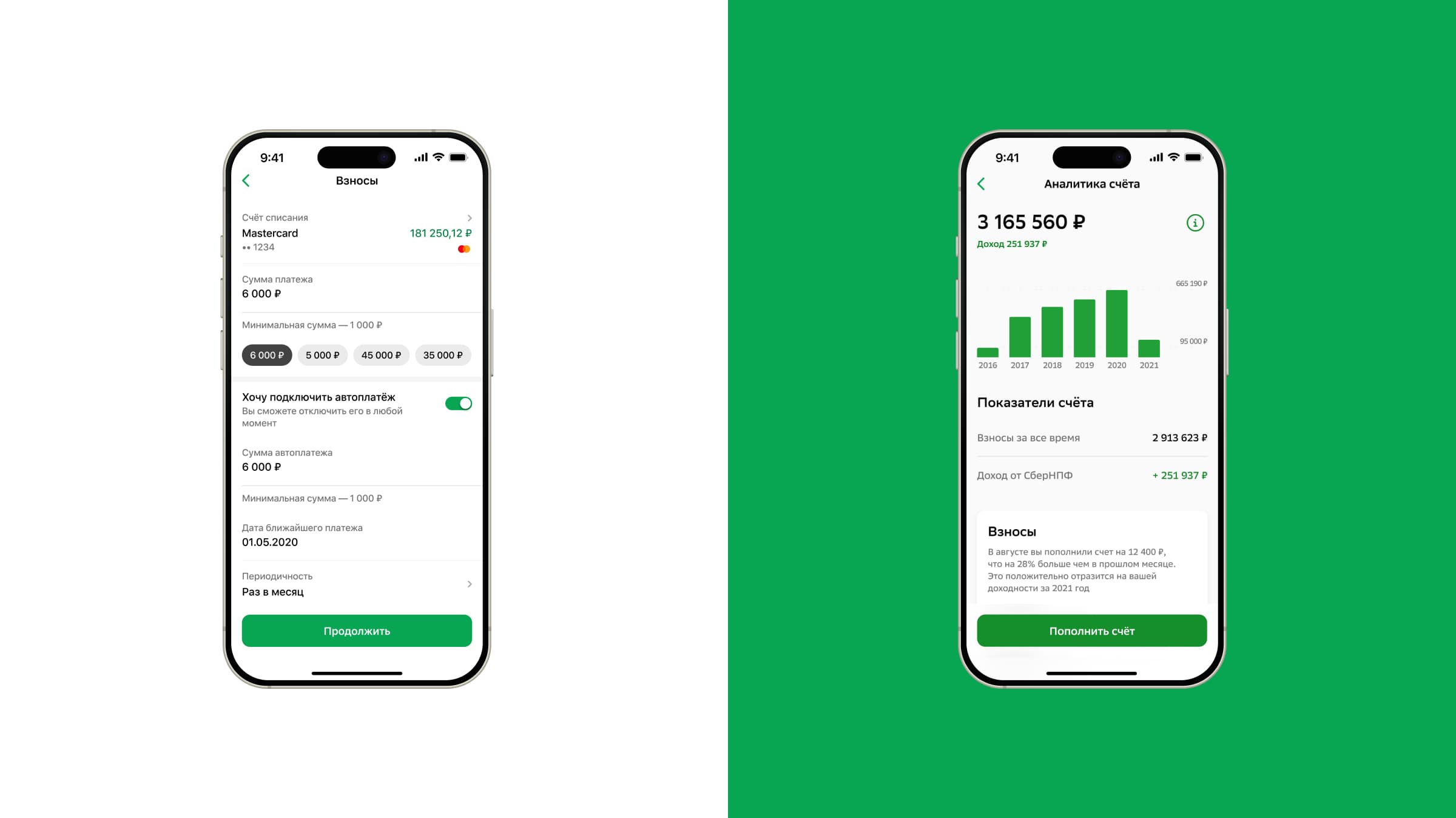
The largest bank and one of the leading fintech ecosystems in Russia, developing a wide range of digital services. I worked in the “Investments and Pensions” tribe: first redesigning the product card and key user scenarios, and later supporting and scaling the service.
Vestra
- Years
- 2019—2020
- Tags
- B2C, PropTech, TravelTech, Web
- Role
- Product Designer
- Scope
- Concept, UI/UX Design
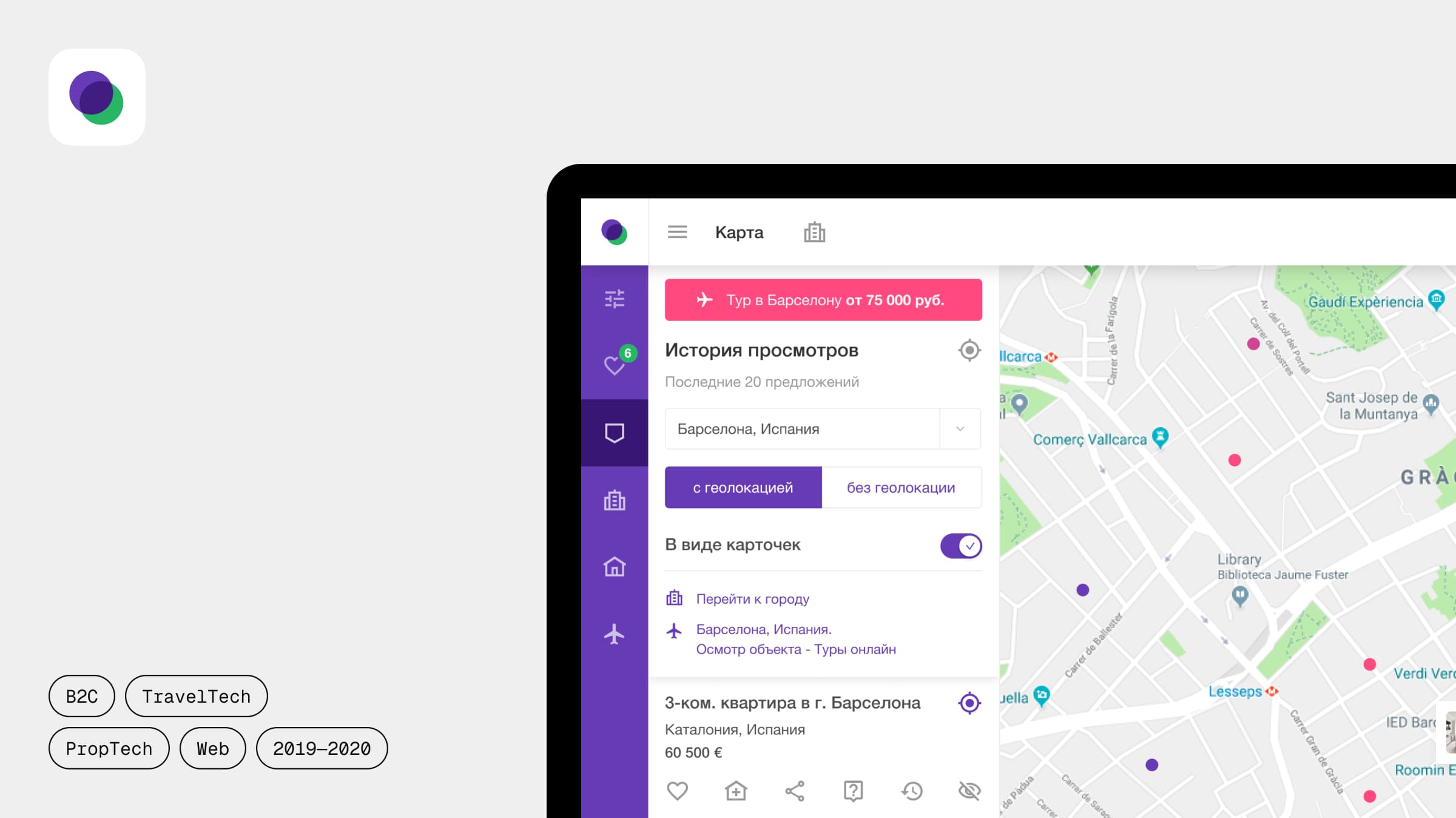
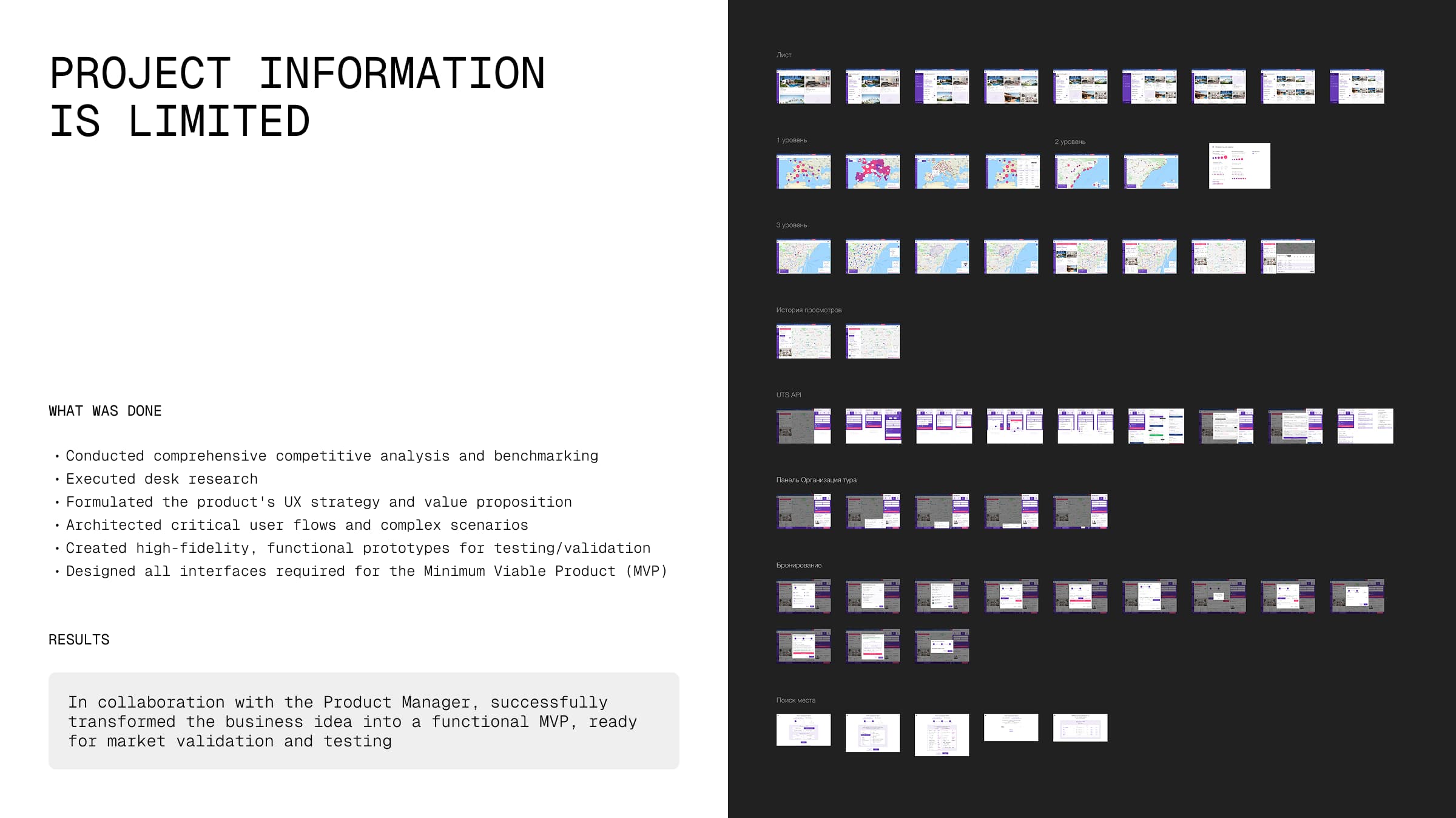
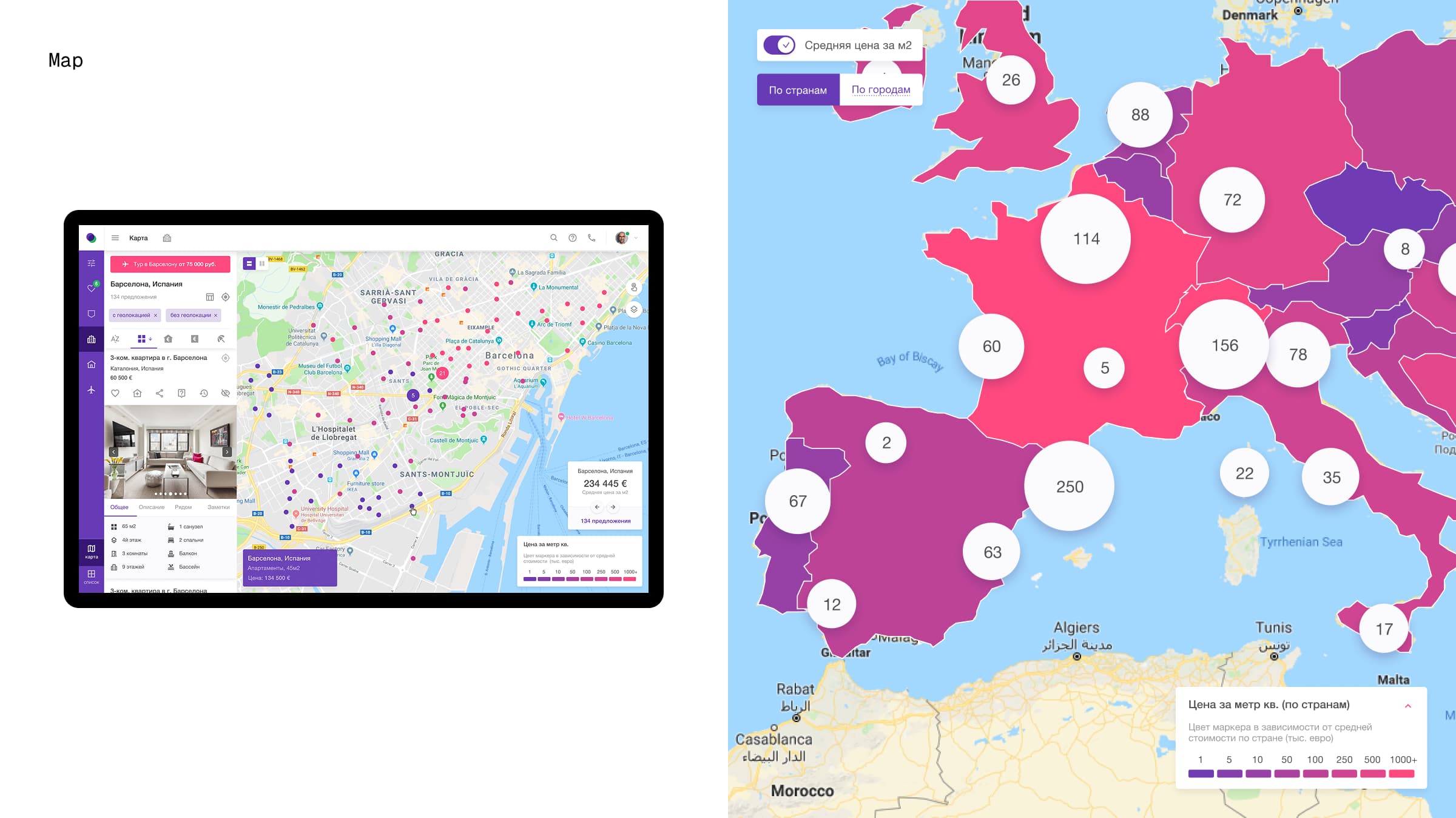
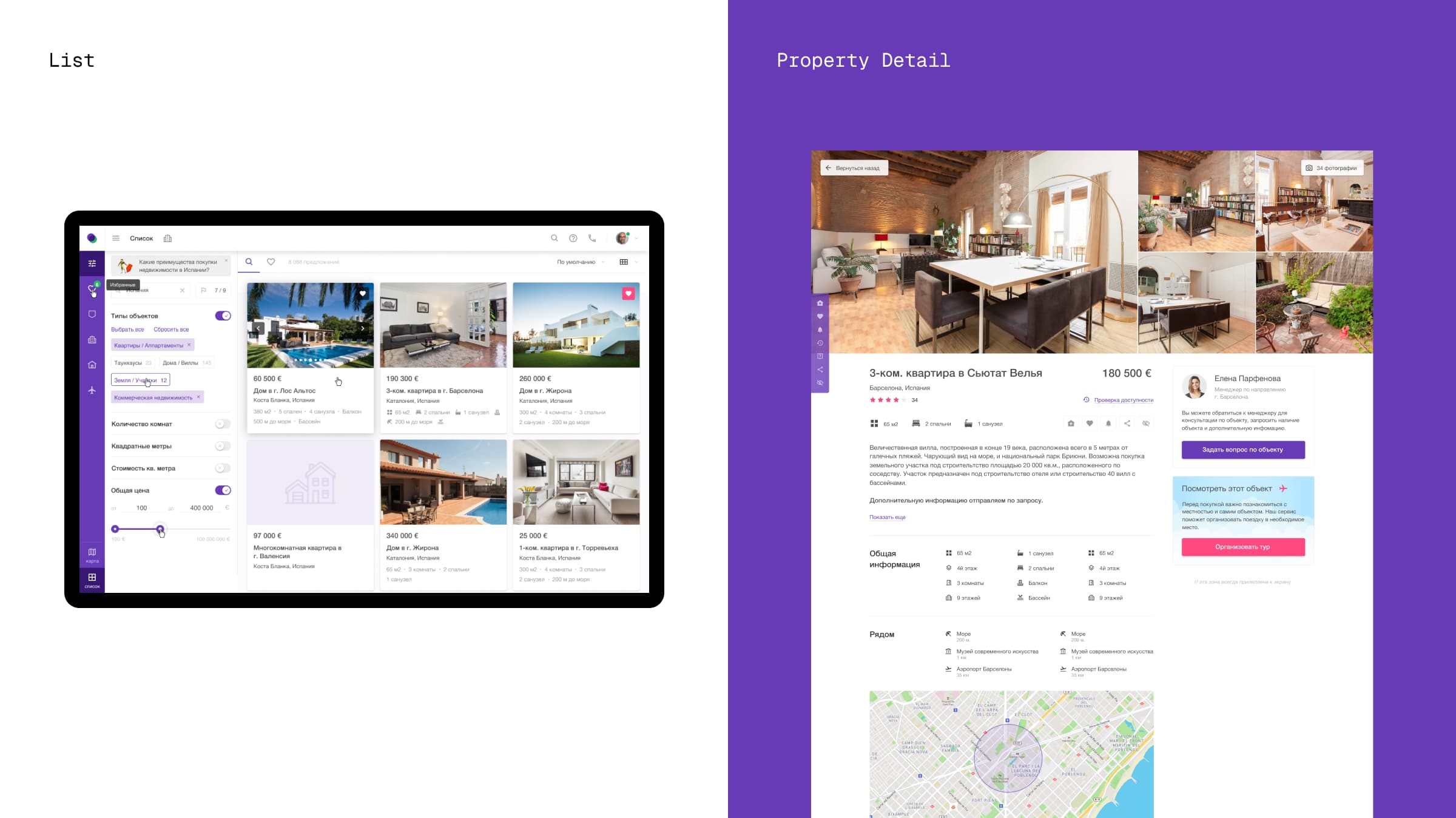
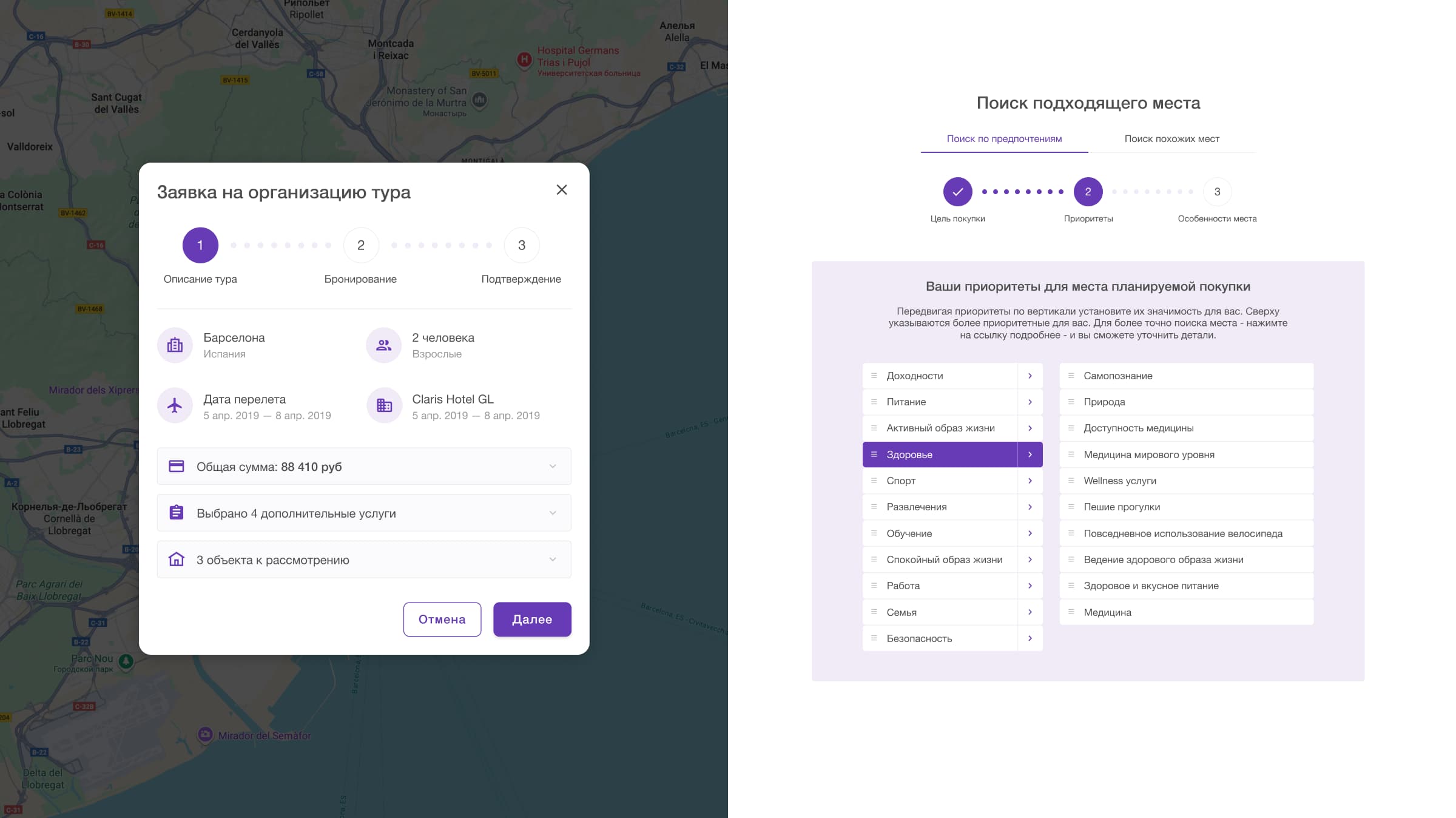
A service for finding and purchasing property abroad, integrated with TravelAPI for booking and organizing on-site viewing tours. Users can find a suitable property, explore its details, and arrange an in-person viewing directly through the platform.
Frequently Asked Questions
What can design influence?
Design shapes behavior, perception, and outcomes — it makes the product clear, builds trust, helps users reach their goals faster, and enables the business to grow.
How do you approach design strategy?
I start with understanding the business and its context: the goals, key metrics, the user, and their real tasks. Then I define design principles and the product map, structuring the process so decisions are systematic rather than isolated.
How do you ensure consistency in large products?
Through the design system, tokens, and review processes. Every decision follows shared principles, components, and visual rules. It’s important not only to document standards but to embed them into the team’s workflow — that’s when consistency becomes a culture, not a constraint.
How do you handle design debt in interfaces?
I begin with an audit and prioritization — evaluating where the debt actually affects UX and business. We don’t update everything at once: first, we clean up the key user flows and foundational components. The design system helps do this gradually while maintaining consistency and keeping product development moving.
What is your experience across platforms (Web / iOS / Android)?
My core expertise is in Web/SaaS and responsive design, but I also have experience with native iOS/Android apps — I understand their specifics and work with the respective guidelines.
Do you work only with B2B or also with B2C?
I work with both areas — I have experience in B2B and B2C and feel comfortable in both.
How does design approach differ in Fintech, LegalTech, and TravelTech?
In Fintech, trust and accuracy are crucial; in LegalTech — clarity and simplicity of legal processes; and in TravelTech — ease, lightness, and safety. The emotional context differs, but the goal is the same: make complex things clear and reliable.
How do you evaluate if a design is successful?
Design is successful when it improves key metrics (conversion, retention, task completion speed) while remaining consistent and scalable.